
Bulk Party Favors: Timelines That Prevent Shipping Surprises
Plan bulk party favors by working backward from event day with buffers and shipping signals—so everything arrives on time, stress-free.
Start With Event Day and Build a Backward Plan

Bulk party-favors feel simple until timelines tighten: you’re coordinating quantities, addresses, and delivery windows—often for kids’ birthdays, classrooms, or large gatherings. In event-planning, the fastest way to reduce stress is to work backward from the moment you need items in-hand (not the day you place the order). Aim to have favors delivered 2–3 days before the event so you can count, sort, and handle any last-minute substitutions.
A practical rule for bulk-orders is this: Event Day → Delivery Buffer → Carrier Transit → Pick/Pack → Order Day. For most domestic shipments, that means ordering 10–14 days ahead for standard shipping, or 7–10 days ahead if you’ll pay for expedited service. If you’re sending favors to multiple locations (classrooms, relatives, venues), add another 1–2 days for address verification and split-ship handling.
At RubberDuck Registry, shoppers can filter by theme and quantity, then choose ship-by estimates—use that estimate as your anchor and build your buffer around it for better risk-management.
How Much Buffer Time You Really Need (and When to Order)
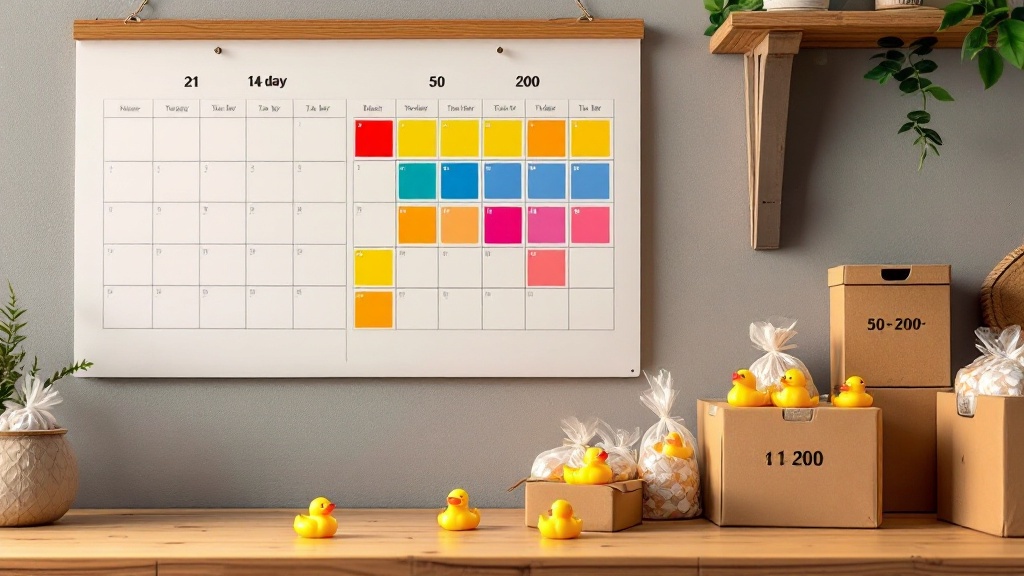
Buffers aren’t overkill—they’re your cheapest insurance in shipping. For most party and classroom needs, plan 3 buffer layers: (1) In-hand buffer (2–3 days before the event), (2) carrier buffer (1–3 days for weather and network congestion), and (3) inventory buffer (time for picking, packing, and any substitutions). If your order is customized or requires coordinated bundles, increase the carrier buffer by another day.
Use this baseline ordering window for party-favors: Small order (1–10 items): 7–10 days ahead; Medium (10–50): 10–14 days ahead; Large (50–200+): 14–21 days ahead. Event planners should lean toward the longer end because venues can have strict receiving hours, and missed delivery attempts create last-mile delays.
For bulk-orders, look for tiered discounts that don’t force risky timing. Ordering earlier often unlocks better pricing and gives you room to reorder a few extras (always add 5–10% spare for lost favors, sibling requests, or “one more friend”).
Shipping Signals That Matter: Cutoffs, Scan Gaps, Weather Zones, and Last-Mile Risk
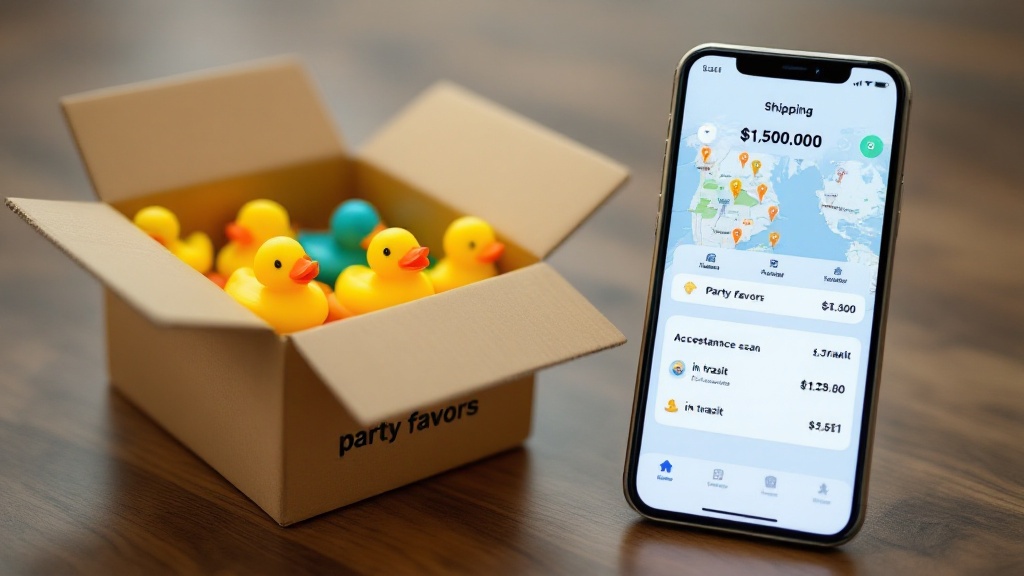
The most useful shipping updates aren’t always the loudest ones. First, confirm order cutoffs (the time a warehouse needs to ship same-day) and treat late-day orders as “next business day.” Second, watch for scan gaps: if a label is created but there’s no carrier acceptance scan within 24 hours (or no movement scan within 48 hours), that’s a cue to contact support and consider a backup plan.
Third, pay attention to weather zones and routing hubs. A storm in a major transit corridor can delay packages even if your destination is sunny. If tracking shows repeated “in transit” without facility updates, assume network congestion and shift to risk-management mode: escalate early, request a trace, and decide whether to place a small replacement order for the highest-priority favors.
Finally, manage last-mile risk: apartments, schools, and venues can reject after-hours deliveries. Use delivery instructions, verify addresses, and ship to a reliable receiver when possible. For recurring event-planning, save past quantities and ship-by dates so reorders are one click—and your next bulk favor run is predictable.